Wednesday, November 11th, 2026
Electric Vehicle Servicing: Everything You Need to Know About Maintaining Your EV
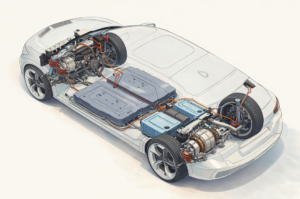
The popularity of electric vehicles (EVs) continues to grow as more drivers make the switch to cleaner, more environmentally friendly transport. With advances in battery technology, improved driving ranges and an expanding charging network, electric vehicles are becoming an increasingly popular choice for motorists and businesses across the UK.
However, just like traditional petrol and diesel vehicles, electric vehicles still require regular maintenance and servicing to ensure they remain safe, reliable and efficient.
At Golds Garage, we understand that vehicle technology is changing and that drivers need reliable information and support as they make the transition towards electric and hybrid vehicles.
But what does servicing an electric vehicle involve, and how does it differ from maintaining a conventional car?
Let’s take a closer look.
Why Is Electric Vehicle Servicing Important?
Although electric vehicles have fewer moving parts than traditional combustion-engine vehicles, they are not maintenance-free.
Regular servicing helps identify potential problems before they become costly repairs. It also ensures that important vehicle components are operating correctly and safely.
An EV service can help to:
- Maintain battery performance and efficiency.
- Identify potential electrical system faults.
- Ensure brakes and suspension components are working correctly.
- Check tyre condition and pressure.
- Maintain the vehicle’s cooling systems.
- Identify software updates and diagnostic issues.
- Improve vehicle safety and long-term reliability.
Following the manufacturer’s recommended servicing schedule is one of the best ways to protect your investment.
What Does an Electric Vehicle Service Include?
Electric vehicles have different servicing requirements from petrol and diesel cars. While there is no engine oil to replace, several important components still need regular inspection.
1. Battery Health Checks
The battery is one of the most important and valuable components of an electric vehicle.
During a service, technicians may carry out diagnostic checks to assess battery condition, identify potential faults and monitor its overall performance.
Battery health checks can help identify unusual changes in performance and ensure the battery management system is operating as intended.
It is also important to follow the manufacturer’s recommendations regarding charging habits and battery care.
2. Brake Inspection and Maintenance
Electric vehicles use regenerative braking technology, which helps recover energy during deceleration and return it to the battery.
Because regenerative braking reduces the reliance on conventional friction brakes, brake pads and discs may experience less wear than those on petrol or diesel vehicles.
However, this does not mean the braking system can be ignored.
Brake pads, discs, callipers and brake fluid should still be inspected regularly to ensure everything is operating safely.
3. Tyre Checks and Replacement
Tyres are particularly important on electric vehicles.
EVs are often heavier than comparable petrol or diesel vehicles because of their battery packs. They also deliver instant torque, which can contribute to increased tyre wear depending on driving style and conditions.
Regular tyre inspections should include:
- Checking tread depth.
- Inspecting for cuts, cracks and uneven wear.
- Checking tyre pressures.
- Monitoring wheel alignment.
- Ensuring the correct tyres are fitted for the vehicle.
Maintaining the correct tyre pressure can also help maximise driving range and improve overall efficiency.
4. Cooling System Maintenance
Electric vehicles use sophisticated thermal management systems to regulate the temperature of their batteries, electric motors and associated components.
Maintaining the correct operating temperature is essential for performance, battery longevity and safety.
Depending on the vehicle, servicing may include inspecting coolant levels, checking for leaks and assessing the condition of relevant cooling components.
Always follow the manufacturer’s recommendations, as EV cooling systems can differ significantly between models.
5. Software Updates and Diagnostics
Modern electric vehicles rely heavily on software to control battery management, charging, braking, motor performance and safety systems.
Diagnostic equipment allows trained technicians to identify fault codes and assess the operation of electronic components.
Software updates may also improve vehicle functionality, efficiency and security.
Some updates can be delivered remotely, while others may require a visit to a specialist service centre.
6. Cabin Filters and Air Conditioning
Just like conventional vehicles, electric cars have cabin filters that help remove dust, pollen and other airborne particles from the air entering the interior.
These filters should be inspected and replaced according to the manufacturer’s service schedule.
Air conditioning systems also require attention, particularly where they are integrated with the vehicle’s battery thermal management system.
Do Electric Vehicles Need Less Servicing?
Generally, yes.
Electric vehicles have fewer mechanical components than conventional petrol and diesel vehicles. They do not require engine oil changes, oil filter replacements, spark plug changes, timing belt replacements or traditional exhaust system maintenance.
This can result in fewer routine maintenance requirements and potentially lower servicing costs.
However, EV owners should not assume that their vehicle can go without regular inspections.
Tyres, brakes, suspension, steering, cabin filters, coolant systems and electrical components still require attention.
The exact servicing requirements will depend on the make, model, age and mileage of the vehicle.
Choosing the Right Garage for Your Electric Vehicle
As electric and hybrid vehicles become increasingly common, choosing a garage that understands modern vehicle technology is more important than ever.
At Golds Garage, we recognise the growing importance of electric and hybrid vehicles and the changing needs of today’s motorists.
Our Golds Garages website provides information about different types of electric and hybrid vehicles, helping drivers better understand the technology and the transition to electric motoring.
When arranging an EV service, it is important to check that the garage has the appropriate technician training, equipment and manufacturer-specific knowledge for the work required.
Not every garage is equipped to carry out high-voltage battery repairs, so always check that the service provider can undertake the specific work your vehicle requires.
How Often Should an Electric Vehicle Be Serviced?
There is no single servicing interval that applies to every electric vehicle.
Some manufacturers recommend annual servicing, while others use mileage-based or condition-based maintenance schedules.
Your vehicle handbook will provide the recommended service intervals and inspection requirements.
Even if your EV appears to be running perfectly, regular maintenance is important for identifying wear, faults and potential safety concerns.
How Can You Look After Your Electric Vehicle Between Services?
There are several simple steps EV owners can take to maintain their vehicles:
- Check tyre pressures regularly.
- Inspect tyres for damage and uneven wear.
- Keep the vehicle clean, particularly around charging connections.
- Follow the manufacturer’s battery charging recommendations.
- Pay attention to dashboard warning messages.
- Report unusual noises or changes in driving performance.
- Keep software updated where recommended.
- Arrange servicing in line with the manufacturer’s schedule.
These small steps can help maintain efficiency, reliability and long-term vehicle performance.
The Future of Electric Vehicle Maintenance
As electric vehicle technology continues to develop, vehicle servicing is changing too.
Modern workshops increasingly rely on specialist diagnostic equipment, high-voltage safety procedures and technicians with dedicated EV training.
Battery technology, vehicle software and charging systems will continue to evolve, making specialist knowledge increasingly important within the automotive industry.
At Golds Garage, we recognise that the automotive industry is evolving and that keeping customers informed about electric and hybrid vehicle technology is an important part of supporting today’s motorists.
Final Thoughts: Keep Your Electric Vehicle Running Efficiently with Golds Garage
Electric vehicles offer many advantages, including reduced routine mechanical maintenance, improved energy efficiency and a quieter driving experience.
However, they still need regular professional attention.
From battery health checks and brake inspections to tyre maintenance and software diagnostics, a proper EV service plays an important role in keeping your vehicle safe, reliable and performing at its best.
Whether you have recently purchased your first electric vehicle or have been driving one for several years, staying on top of its maintenance schedule is essential.
At Golds Garage, we’re here to help motorists keep up with the changing world of motoring. If you’re considering making the switch to electric or hybrid motoring, or need advice about maintaining your current vehicle, get in touch with our team.
Visit our website to find out more about Golds Garage and the services available to motorists in the local area.
Golds Garage – Supporting motorists today and into the future.